Our Recent Visits
Mawson’s Garden at Silverdale

Strong winds and heavy cloud in the morning didn’t promise a pleasant afternoon for our visit to a garden designed by Thomas Mawson situated close to Jenny Brown’s Point at Silverdale. However, when 21 of us arrived for the visit, it was still windy but the sun was shining.
We were welcomed by Eve, secretary of The Friends of Mawson’s Garden and by Linda, one of our u3a members and Treasurer of the Friends group. We were introduced to Brian Smith, the owner, and then entered the walled garden through Amanda’s Gate, a beautiful wooden gate in which there is a circle of pink-stained glass. It felt like entering a secret garden. Brian told us that the garden was constructed between 1926 and 1936 but by 1980 it had been abandoned. When he took over the garden 10 years ago it was almost completely overgrown and he has spent the time since then, with the help of volunteers, revealing the garden as designed by Mawson, in effect a massive limestone rockery.
Thomas Mawson was born at Scorton into a poor family but rose to fame in his day, becoming a landscape designer of national and international fame. He used the natural features of the garden, geology and situation in his design. Some of the trees in the original plantings are still living and beautiful but many trees, such as ash and sycamore which had grown during its neglected years have had to be removed to open up the vista. On a cool breezy day, it felt as though the garden had its own climate as it was calmer and warmer within it.
Brian told us about the history of the garden and about Mawson and his wish that Mawson’s name as a garden designer should not be forgotten.
There is so much more that could be said about Thomas Mawson, his life and gardens and if you have the chance to go to this local garden, take it.

Fernhill Coach House

Fernhill Coach House is set amongst a delightful collection of old stone buildings surrounded by flower meadows and its own one acre garden. Our cars were left by one such building, Bull House, overlooking wildflowers everywhere. We were met by Adele and Mike Watford and left to wander freely after a brief introduction telling us organic methods were the only ones applied over the last 20 years. The farm has a live and let live approach that obviously works judging by the uneaten hostas! I loved how the foxgloves grew abundantly in all the vegetable patches.
The farm has two orchards, one very old and one newer. Forty different apples and pears grow there and a hay meadow underplants the trees. There were two ponds, many roses, mixed borders, vegetable patches and a greenhouse. Chickens roamed. The weather was kind to us and we were able to enjoy wonderful home cooked cakes with our tea, or coffee, outside in the sunshine. They were delicious.
We were invited to move onto a companion garden, just up the road, Vicarage House East, which some people were able to do. It was a pleasant way to spend an afternoon. Thank you, Judith.


Threales
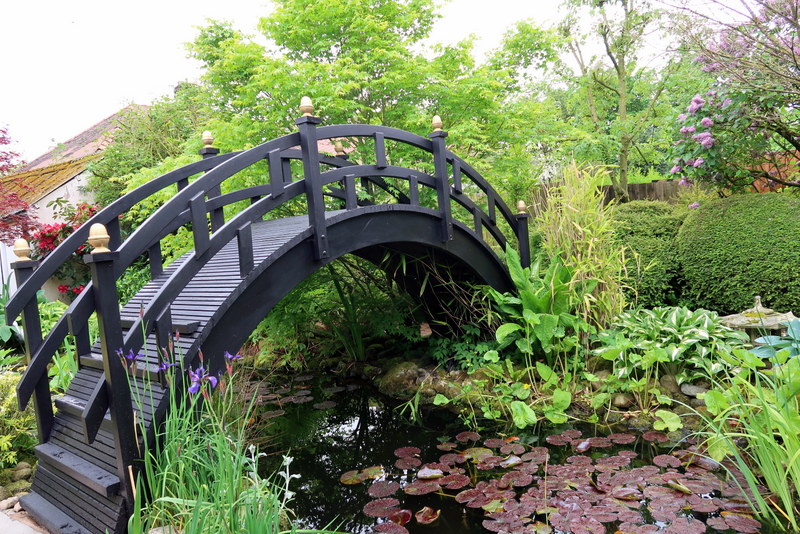
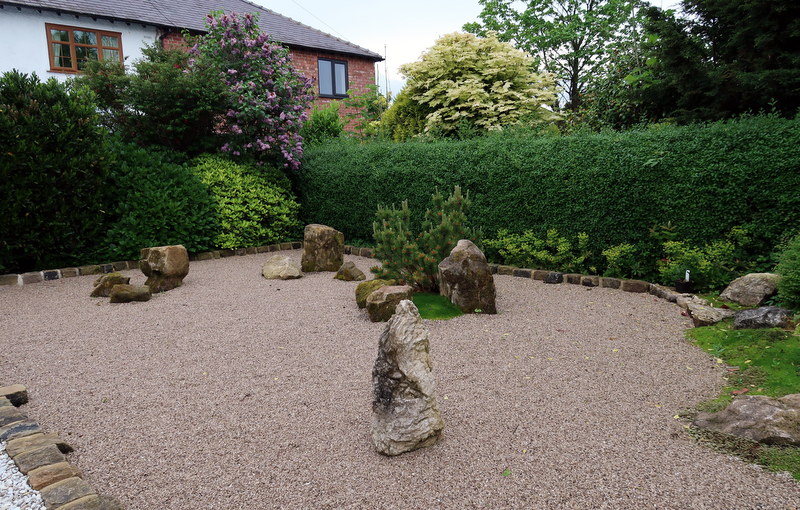
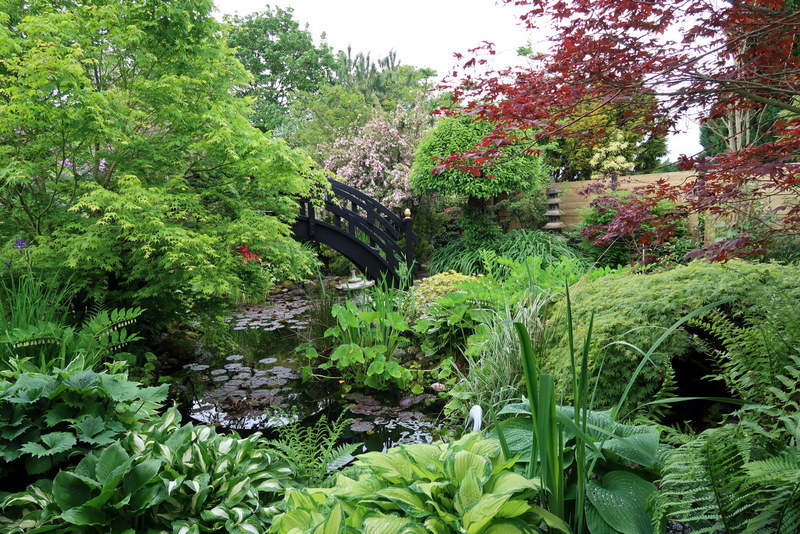
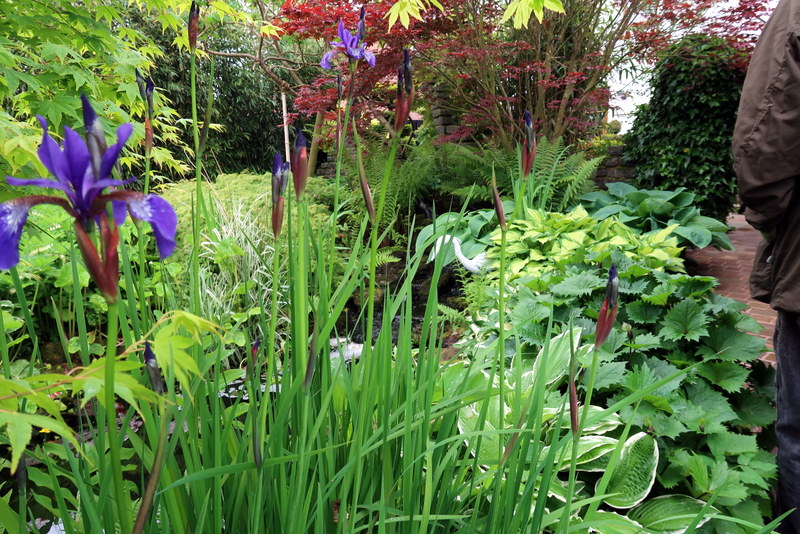
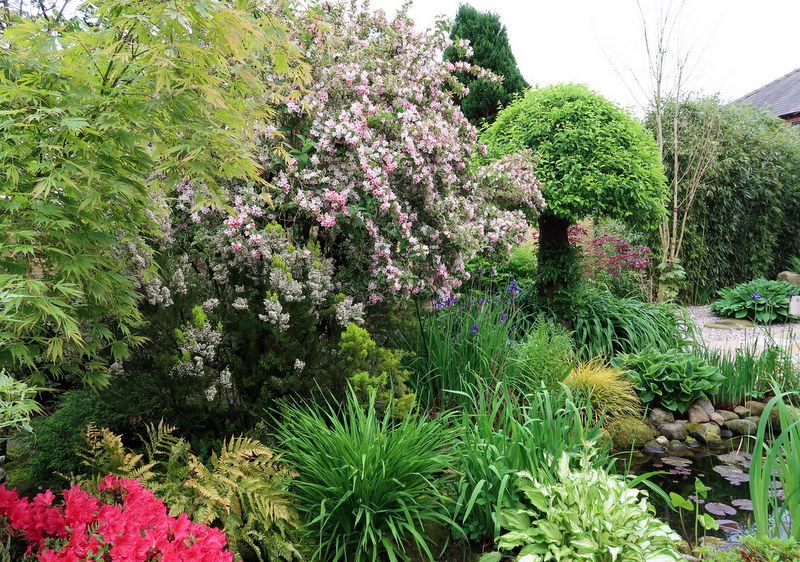
On 14th May 22 of us visited the Japanese themed garden of Mrs Linda Kidd in the village of Treales, near Kirkham. Linda has made the garden over the last 10 years, entirely with her own hands. We split into two groups for the tour and Linda explained the various sections of the garden to us. We then changed places and had tea whilst the other group did the tour. Everything was immaculate, even the many hostas had hardly a nibble from the slugs. The number of plants in a relatively small area is amazing. Each section of the garden has a theme and is very effective. The garden opens under the National Garden Scheme and by appointment and is well worth a visit.
Myerscough College
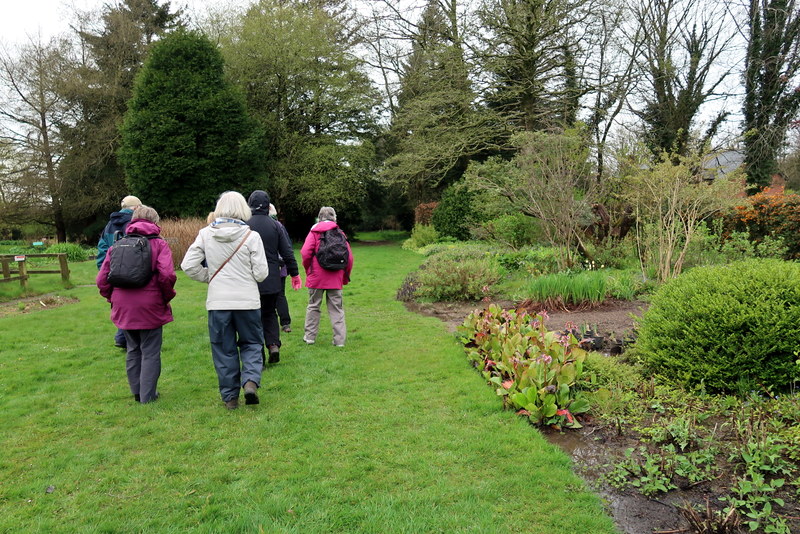
Twenty nine of us ventured to the college on an awful day in April. It had rained all night and morning but did finally clear up as we arrived, although there was a cold wind. Our guides were Jenny, for the glass houses, and Louise, for the outdoor grounds. We split into two groups and were shown some fascinating plants in both areas and given tips on growing and taking cuttings of unusual plants as well as common ones and of propagating some cacti. Both guides are involved in training students for a career in horticulture and the gardens are managed to protect and encourage wildlife.
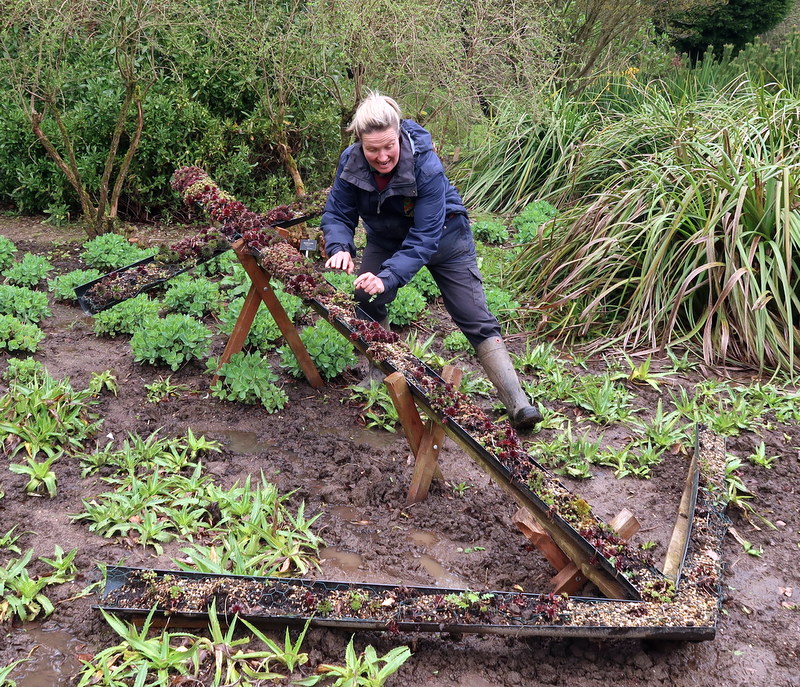
Growing beds are used to demonstrate the needs of a group of plants, such as a bed growing only varieties of sedum. An ornamental anchor had been made from guttering and planted with small sedums and underplanted with different varieties. Photo attached. Louise told us that this bed is very attractive to butterflies. The guides made our visit very interesting and encouraged us to visit later in the year. Everything is freely open to the public, with parking for Plant World in the main car park and a short walk to the grounds.
During the visit we had an opportunity for refreshments and to buy plants, all of which are grown at the college.
Holehird Gardens
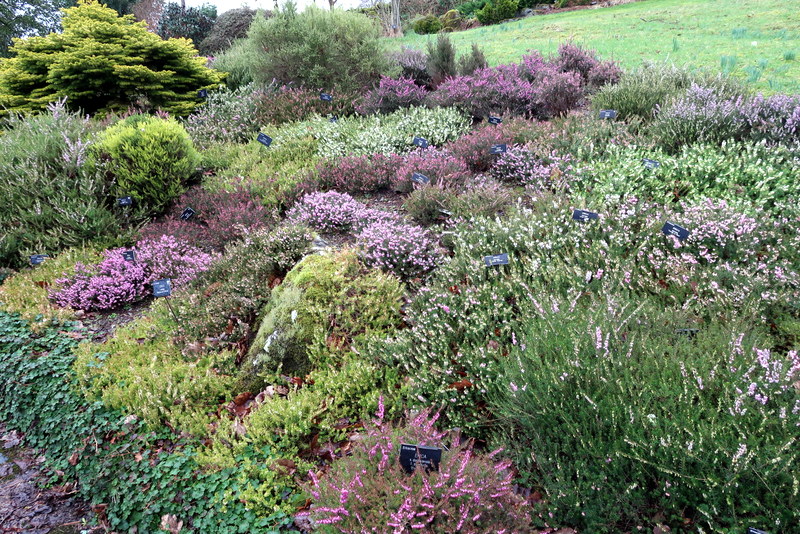
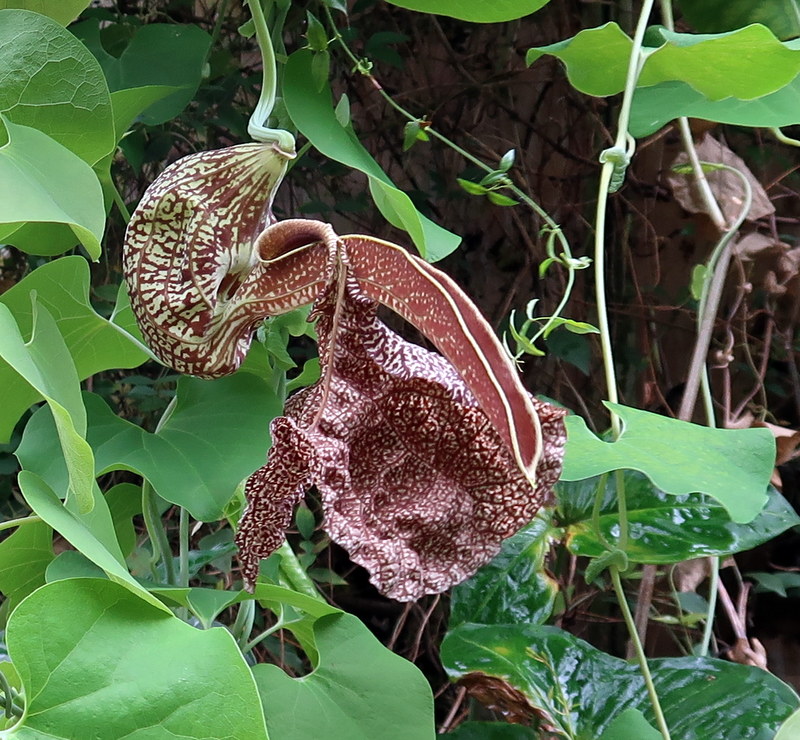
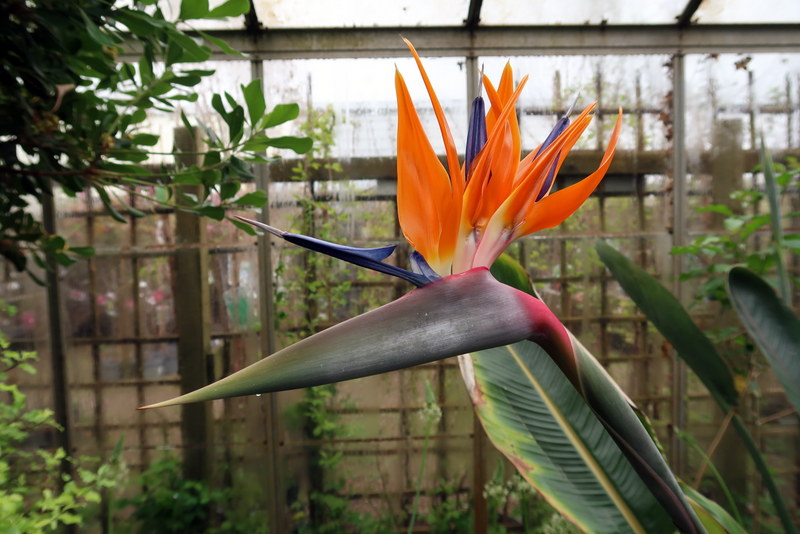
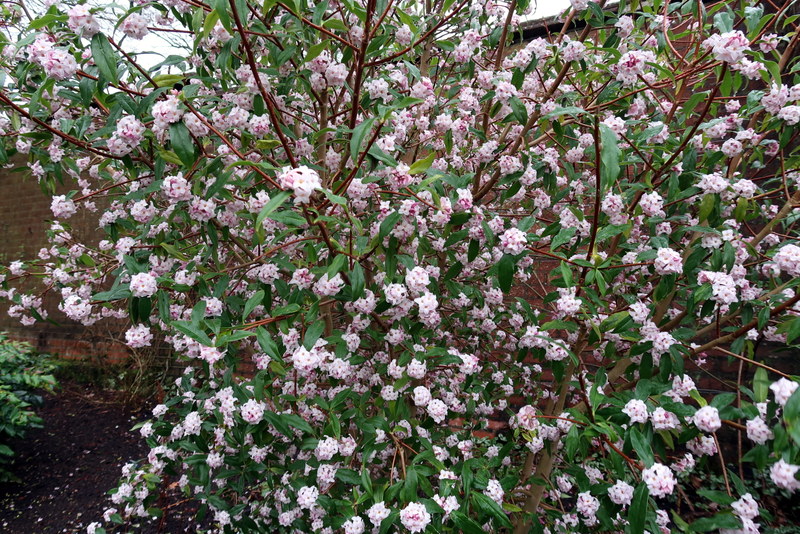
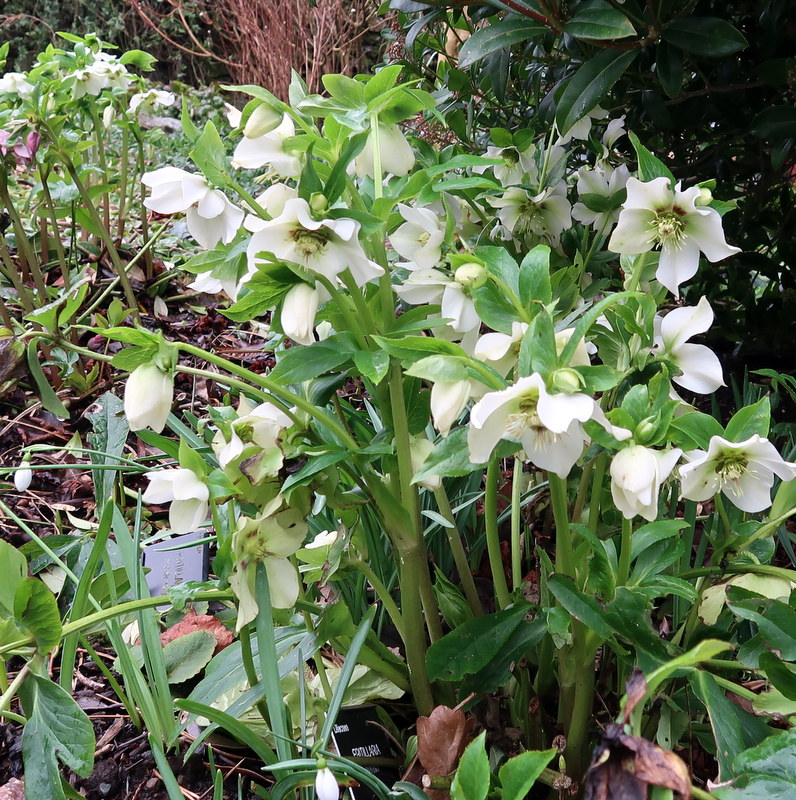
On 13th February 2024 16 of us visited Holehird Gardens at Windermere mainly to see snowdrops of which there were many different varieties. We particularly enjoyed the lovely scent of two Daphne bushes and the winter gardens with the heathers and flowering shrubs. We were about a week too early for the daffodils but nevertheless enjoyed looking round this garden which is the home of the Lakeland Horticultural Society and run entirely by volunteers. No charge but suggested donation of £5 min.
WATCH OUT FOR FURTHER VISITS OR TALKS ON THE SECOND TUESDAY IN THE MONTH 2 to 4PM
It is hoped the group reflects the wide interests of its members, from allotment holders who only grow vegetables to small or large town or country gardens, or members who live in apartments with no outdoor space at all. Indoor plants are becoming very popular again. Perhaps garden visits would be an opportunity to visit a garden with someone else, especially when car sharing becomes a possibility. Gardens open under the National Gardens Scheme at a modest charge for charity. There are the gardens of grand houses to visit.
LOOK OUT FOR GARDENS OPEN LOCALLY UNDER THE NATIONAL GARDENS SCHEME. There is usually a small admission price and often refreshments available.
HALTON PARK GARDEN IS OPEN TO THE PUBLIC TWICE YEARLY UNDER NGS
GRESGARTH HALL GARDENS at Caton (NOT OPEN UNDER NGS). They will be open on the second Sunday of the month from April to November from 11am. Admission varies between £12 and £12.50, children free. Free admission to members of the Historic Houses Association which includes Levens Hall and several other Cumbria gardens.
Judith BrownIF YOU WOULD LIKE TO JOIN THIS GROUP PLEASE SEND YOUR NAME AND u3a MEMBERSHIP NUMBER TO THE ABOVE EMAIL ADDRESS
| Some interesting gardening links | |||
| Holehird Gardens | National Allotment Society | National Garden Scheme |